Skip to content
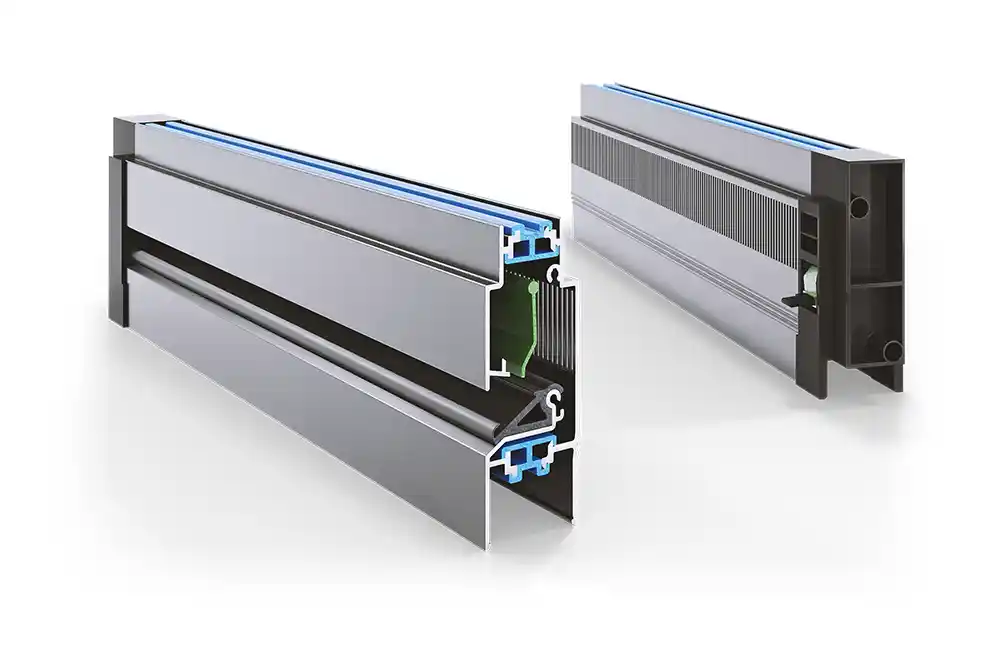
If you’re dealing with cold drafts, condensation on your windows, or rising heating bills, you’re not alone. Many homeowners across Dublin and Ireland—especially those in older properties—struggle with poor ventilation and inefficient airflow.
The result? Damp rooms, mould growth, uncomfortable temperatures, and higher energy costs.
The good news is that there’s a simple, cost-effective solution already built into many modern windows: trickle vents.
Used in modern window systems across Ireland, trickle vents help maintain airflow without forcing you to open windows or lose heat.
In this guide, you’ll learn:
- What trickle vents are and how they work
- Whether they actually reduce condensation and mould
- How to use them properly (especially in winter)
- Costs, installation options, and buying advice
- When you may need more than just trickle vents
What Is a Trickle Vent?
Simple Definition (Beginner-Friendly)
A trickle vent is a small ventilation opening built into the frame of a window or door. It allows a controlled amount of fresh air to enter your home without needing to open the window.
Think of it as a background ventilation system—always working quietly in the background.
Where Are Trickle Vents Located?
Trickle vents are typically found:
- Along the top of window frames
- Built into modern doors, especially in newer homes or renovations
They often appear as slim slots with a small adjustable cover.
Why They’re Standard in Modern Homes
In Ireland, trickle vents are commonly required under building regulations to ensure adequate ventilation.
Why? Because modern homes are more airtight than older ones, which means:
- Less natural airflow
- Higher risk of condensation and mould
Trickle vents solve this by providing constant, controlled ventilation.
How Do Trickle Vents Work?
Passive Ventilation Explained
Trickle vents use passive ventilation, meaning they don’t require electricity or mechanical systems.
They allow:
- Fresh air to enter
- Stale, humid air to escape
All without sudden heat loss from opening windows.
Air Circulation & Moisture Control
Everyday activities like:
- Cooking
- Showering
- Drying clothes
…release moisture into the air.
Trickle vents help by:
- Letting humid air escape
- Bringing in drier, fresh air
- Reducing moisture buildup on windows and walls
Do Trickle Vents Actually Work?
Yes—when used correctly, trickle vents are highly effective.
However, it’s important to understand:
- They are not a full ventilation system
- They work best as part of an overall airflow strategy
Used properly, they can significantly improve indoor comfort.
Do Trickle Vents Reduce Condensation & Mould?
Why Condensation Happens in Irish Homes
Condensation occurs when:
- Warm, moist indoor air hits cold window surfaces
This is especially common in older Irish homes with:
- Poor insulation
- Single or older double glazing
Do Trickle Vents Stop Condensation?
Trickle vents reduce condensation, but they won’t eliminate it completely.
They work by:
- Lowering indoor humidity levels
- Improving air circulation
This makes condensation far less likely to form.
Will Trickle Vents Stop Mould?
Trickle vents play a preventative role in stopping mould.
By reducing moisture, they:
- Make it harder for mould to grow
- Improve indoor air quality
For best results, combine them with:
- Proper heating
- Good insulation
Do Trickle Vents Make Your Home Cold?
Common Myth vs Reality
One of the biggest concerns homeowners have is:
👉 “Will trickle vents make my house colder?”
The reality: Not significantly—if used correctly.
Heat Loss vs Air Quality Balance
Trickle vents are designed to:
- Allow small, controlled airflow
- Minimise heat loss
Compared to opening a window, they are far more energy-efficient.
Should You Keep Trickle Vents Open in Winter?
Yes—but with control.
Best practice:
- Keep them slightly open, not fully open
- Focus on rooms with high moisture:
- Bedrooms
- Kitchens
- Bathrooms
This helps maintain airflow without sacrificing warmth.
How to Use Trickle Vents Properly
How to Open Trickle Vents
- Slide or tilt the vent cover open
- Adjust depending on airflow needed
How to Close Trickle Vents
- Slide the cover shut
- Useful during extreme weather or strong winds
Best Settings for Different Seasons
Winter:
- Slightly open for moisture control
Summer:
- More open to increase airflow
Year-round tip:
- Adjust based on room usage and humidity levels
Installation: Can You Add Trickle Vents to Existing Windows?
Are Trickle Vents Required in Ireland?
Yes—modern building regulations often require background ventilation, especially:
- In new builds
- When replacing windows
Can Trickle Vents Be Retrofitted?
Yes, trickle vents can be added to:
However, retrofitting requires precision to avoid damaging the window.
How to Install Trickle Vents (Overview)
Basic process:
- Measure and mark position
- Drill or route opening
- Fit vent unit securely
Should You Hire a Professional?
In most cases, yes.
Professional installation ensures:
- Proper sealing
- No structural damage
- Compliance with regulations
It also gives peace of mind—especially for homeowners investing in long-term upgrades.
Maintenance & Common Problems
How to Clean Trickle Vents
- Remove dust with a brush or vacuum
- Wipe with a damp cloth
- Clean regularly to maintain airflow
How to Remove Trickle Vents (Safely)
- Unscrew or unclip the cover
- Avoid forcing parts to prevent damage
Can You Seal Trickle Vents?
You can—but it’s not always recommended.
Seal them only if:
- There’s excessive draught
- You have alternative ventilation
Otherwise, sealing them may lead to:
- Increased condensation
- Poor air quality
Cost of Trickle Vents in Ireland
Average Prices (2026)
- €10–€40 per vent
- €50–€150 per window (installed)
Installation Costs
- Retrofitting: Higher due to labour
- New windows: Often included
Are Trickle Vents Worth It?
Absolutely—especially for Irish homes.
Benefits include:
- Reduced moisture damage
- Improved comfort
- Compliance with building standards
They’re a low-cost upgrade with long-term value.
Where to Buy Trickle Vents in Ireland
What to Look for Before Buying
- Compatibility (uPVC, aluminium, timber)
- Correct size and airflow rating
- Quality materials
Local vs Online Options
You can buy from:
- Builders’ merchants
- Window suppliers
- Online retailers
For best results, choose trusted suppliers or installers.
When You Might Need More Than Trickle Vents
Signs Trickle Vents Aren’t Enough
- Persistent condensation
- Visible mould growth
- Strong damp smell
Alternative Solutions
Consider:
- Extractor fans (kitchens/bathrooms)
- Upgraded double or triple glazing
- Full ventilation systems
Expert Advice for Dublin Homeowners
Best Setup for Older Homes (10–30+ years)
Older homes benefit from:
- Trickle vents + improved insulation
- Sealed gaps around windows and doors
Combining Trickle Vents with New Windows
If upgrading windows:
- Choose energy-efficient glazing
- Ensure trickle vents are included
This delivers the best balance of:
- Warmth
- Ventilation
- Energy savings
Energy Efficiency Tips to Lower Heating Bills
- Use vents strategically (not fully open)
- Upgrade to modern window systems
- Fix draughts and poor seals
These steps can significantly reduce heating costs over time.
FAQs About Trickle Vents
Do trickle vents work in winter?
Yes—keep them slightly open to control moisture without losing too much heat.
Are they required by law in Ireland?
In many cases, yes—especially for new builds and window replacements.
Can I install them myself?
Possible, but professional installation is recommended.
Do they let noise in?
Slightly—but far less than opening a window.
Are they worth the cost?
Yes—they improve comfort, reduce condensation, and support energy efficiency.
Get Expert Help with Trickle Vents in Dublin
If you’re dealing with condensation, draughts, or outdated windows, getting expert advice can save time and money.
With over 15+ years of experience, professional installers can help you:
- Choose the right ventilation solution
- Ensure proper installation
- Improve comfort and energy efficiency
👉 Request a free quote today
👉 Fast turnaround for repairs and upgrades
👉 All work guaranteed for peace of mind
Conclusion
Trickle vents are a simple but powerful solution for improving your home’s comfort and air quality.
They help you:
- Reduce condensation and mould
- Maintain consistent airflow
- Improve overall living conditions
For Dublin homeowners, especially in older properties, they’re an essential upgrade that supports both comfort and energy efficiency.
If you’re ready to improve your home, the next step is simple:
👉 Get expert advice and a free quote tailored to your property.