Skip to content
What are trickle vents and are they required in Ireland? If you’re a homeowner in Dublin dealing with cold drafts, condensation on your windows, or rising heating bills, you’re not alone. Many homes across Ireland—especially those built 10–30+ years ago—struggle with poor ventilation and energy inefficiency.
The problem? Most people think opening windows is the only solution. But that leads to heat loss, discomfort, and higher energy costs.
This is where trickle vents come in.
They’re a simple, low-cost upgrade that can improve airflow, reduce condensation, and help you stay compliant with Irish building regulations—all without sacrificing comfort. Yet, they’re often misunderstood or overlooked.
In this guide, we’ll break down exactly what trickle vents are, how they work, and whether you actually need them in Ireland in 2026.
What Is a Trickle Vent?
Simple Definition (Beginner-Friendly)
A trickle vent is a small, adjustable ventilation opening built into a window or door. It allows a controlled amount of fresh air to enter your home without fully opening the window.
Think of it as “background ventilation”—a steady trickle of airflow that improves indoor air quality. For a more in-depth explanation, see our Complete Guide to Trickle Vents 2026.
Where Are Trickle Vents Located?
Trickle vents are usually installed:
- At the top of window frames
- In uPVC, aluminium, or timber windows
- Occasionally in doors, especially in newer homes or renovations
Because they’re positioned high up, they allow air to circulate naturally without creating uncomfortable drafts at seating level.
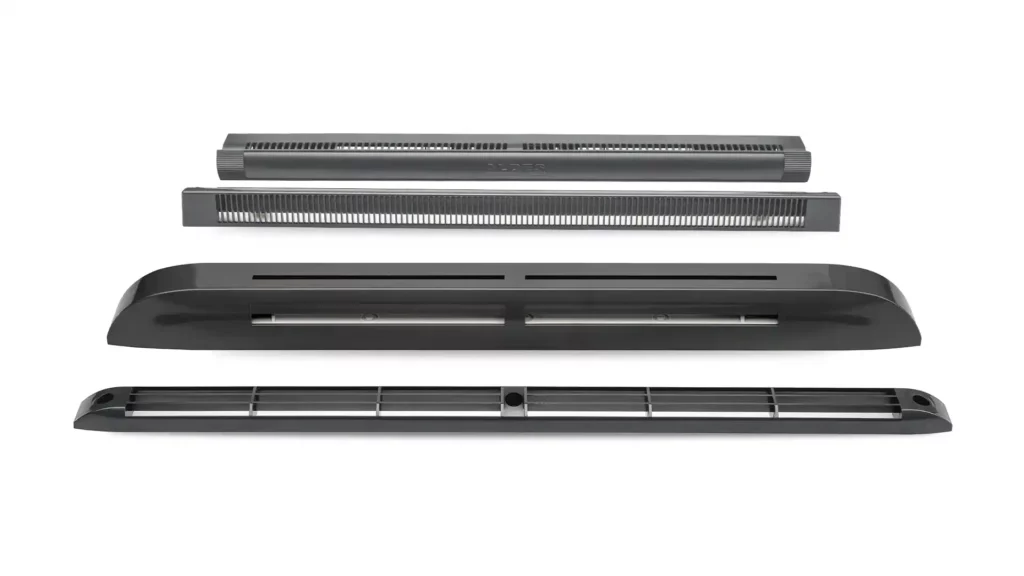
What Do Trickle Vents Look Like?
They are:
- Slim, discreet slots
- Typically made from plastic or aluminium
- Fitted with a manual slider so you can open or close them
Most modern designs are subtle and blend into your window frame, so they don’t affect the look of your home.
How Do Trickle Vents Work?
Passive Ventilation Explained
Trickle vents rely on passive ventilation, meaning they don’t need electricity or mechanical systems.
They work by:
- Allowing fresh air to enter through the vent
- Letting stale, moist air escape through natural air movement
- Using pressure differences between indoors and outdoors
This creates a constant, gentle airflow without sudden heat loss.
Why They Matter in Irish Homes
Ireland’s climate is:
- Cool and damp
- Prone to high humidity levels
Combine that with older homes that weren’t built with modern ventilation in mind, and you get common issues like:
- Condensation on windows
- Mould growth in corners or behind furniture
- Stale, stuffy air
Trickle vents directly address these problems by improving airflow throughout your home.
Do Trickle Vents Actually Work?
Real Benefits for Homeowners
When used properly, trickle vents can:
- Reduce condensation on windows
- Improve indoor air quality
- Help prevent mould growth
- Support energy efficiency by reducing the need to open windows
For many Dublin homeowners, they’re a small upgrade with noticeable results.
Common Misconceptions
“They make your house cold”
This is one of the biggest myths.
Trickle vents allow controlled airflow, not a rush of cold air. Compared to opening a window fully, they actually reduce heat loss.
“They don’t do anything”
Because the airflow is gradual, it’s not always noticeable—but that’s the point.
They work continuously in the background, preventing problems before they become visible (like mould or damp patches).
Are Trickle Vents Required in Ireland?
Building Regulations Explained (Ireland)
In Ireland, ventilation is governed by building regulations designed to ensure healthy indoor air quality.
In recent years, these regulations have become stricter—especially with the push for energy-efficient homes.
When Are Trickle Vents Mandatory?
Trickle vents are typically required when:
- Installing new windows or doors
- Replacing existing windows
- Carrying out renovations that affect ventilation
If your upgrade reduces natural airflow (e.g., installing airtight windows), trickle vents are often required to compensate.
Where Are Trickle Vents Required?
They are commonly required in:
- Living rooms
- Bedrooms
- Kitchens (alongside extractor fans)
The goal is to ensure consistent airflow throughout key living spaces.
Should You Install Trickle Vents in Existing Windows?
When It’s a Good Idea
You should strongly consider adding trickle vents if:
- Your home is 10–30+ years old
- You notice condensation on windows
- There’s mould or damp
- Rooms feel stuffy or poorly ventilated
These are clear signs your home lacks proper airflow.
When You Might Not Need Them
You may not need trickle vents if:
- You already have effective ventilation systems
- Your home uses mechanical ventilation (MVHR systems)
- Airflow is already well-balanced
Do Trickle Vents Make a Room Cold?
The Truth About Heat Loss
When used correctly, trickle vents:
- Cause minimal heat loss
- Are far more efficient than opening windows
- Help maintain a stable indoor temperature
How to Use Them Efficiently
To get the best results:
- Keep vents slightly open, not fully open
- Adjust depending on weather conditions
- Open more during high humidity (e.g., cooking, showers)
For homeowners worried about heating bills, this balance is key:
👉 Better airflow = less moisture = more efficient heating
Where Should Trickle Vents Be Positioned?
Ideal Placement on Windows
Trickle vents should be installed:
- At the top of the window frame
- Away from direct drafts
- Positioned to allow air circulation across the room
Trickle Vents in Doors
They may also be fitted in doors when:
- Additional ventilation is needed
- Rooms lack sufficient window airflow
This is more common in modern builds or extensions.
Pros and Cons of Trickle Vents
Advantages
- Low-cost ventilation solution
- Helps reduce condensation and mould
- Improves overall comfort
- Supports compliance with regulations
Disadvantages
- Can cause slight drafts if fully open
- Must be installed correctly
- Not a replacement for full ventilation systems
Cost & Value: Are Trickle Vents Worth It?
Typical Costs in Ireland
- €20–€50 per vent (supply only)
- €50–€150 per window (installed, depending on type)
Costs vary based on window material and installation complexity.
ROI for Homeowners
Trickle vents offer strong value because they:
- Help lower heating costs
- Prevent expensive mould or damp repairs
- Improve your home’s energy rating (BER)
- Increase property appeal if selling
For many homeowners, they’re a small investment with long-term savings.
When Should You Consider Installing Trickle Vents?
You should consider installing trickle vents:
- During window replacement projects
- When buying an older property
- If you notice:
- Condensation
- Mould
- Poor airflow
These are key buying triggers—and acting early can prevent bigger issues later.
Why Professional Installation Matters
Installing trickle vents might seem simple, but doing it incorrectly can lead to:
- Drafts
- Reduced efficiency
- Damage to window frames
A professional installer will:
- Ensure compliance with Irish regulations
- Fit vents correctly for optimal airflow
- Protect your window warranty
Why Homeowners Choose Experienced Installers
- 15+ years of experience
- Guaranteed workmanship
- Fast, reliable service across Dublin
FAQs – What Are Trickle Vents & Are They Required in Ireland?
Do trickle vents stop mould completely?
They help reduce the conditions that cause mould, but severe issues may require additional ventilation or treatment.
Should trickle vents be open all the time?
Generally, yes—keep them slightly open for continuous airflow.
Are trickle vents required by law in Ireland?
They are often required when installing new or replacement windows, depending on ventilation needs.
Can trickle vents be added to existing windows?
Yes, most windows can be retrofitted, though professional installation is recommended.
Do trickle vents let in noise?
They may allow a small amount of sound, but modern designs minimise this significantly.
Final Thoughts: Are Trickle Vents Right for Your Home?
If you’re dealing with:
- Condensation
- Rising heating bills
- Poor airflow
- An older property
Then trickle vents are a simple, effective upgrade.
They improve:
- Comfort
- Energy efficiency
- Compliance with regulations
And most importantly, they help protect your home from long-term issues like mould and damp.
Get Expert Help Today
If you’re based in Dublin and want to improve your home’s comfort and efficiency:
👉 Get a free quote for trickle vent installation in Dublin
👉 Reduce condensation, improve airflow, and cut heating costs today