Skip to content
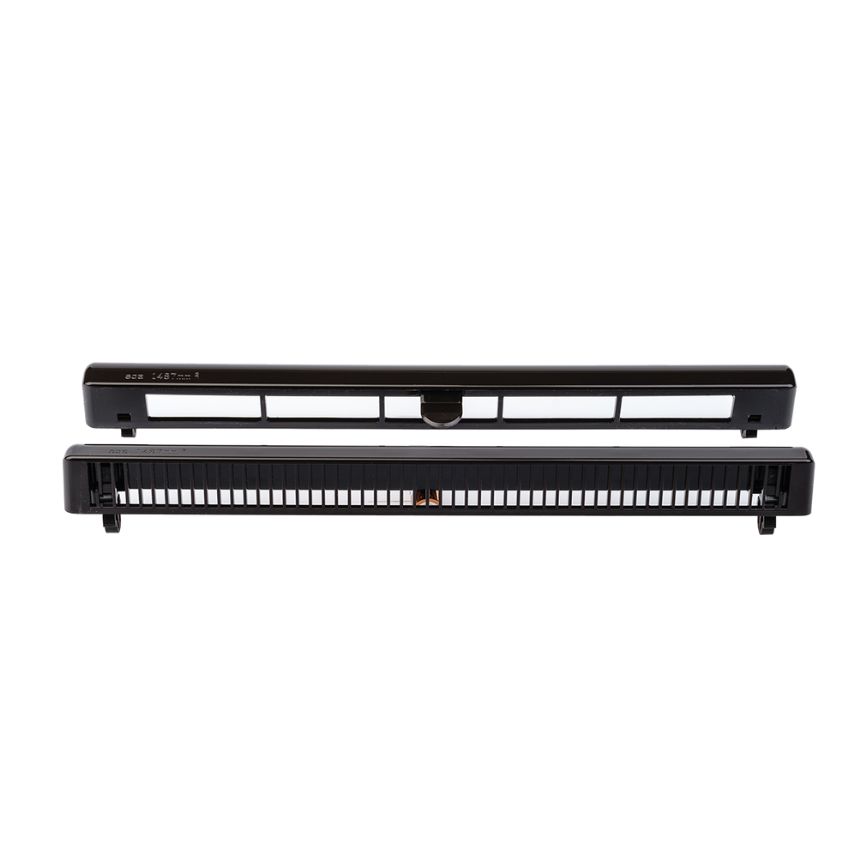
Do trickle vents stop condensation and mould? If you’re a homeowner in Dublin or anywhere in Ireland, you’ve likely dealt with condensation on windows, damp rooms, or even mould creeping into corners. These problems are especially common in older homes—and they don’t just affect comfort, they can increase heating bills and damage your property over time.
One of the most talked-about solutions today is trickle vents. But do trickle vents actually stop condensation and mould—or are they just another quick fix?
This guide breaks it down clearly so you can decide what’s right for your home.
Why Condensation & Mould Are Common in Irish Homes
Ireland’s climate plays a big role here. Cool temperatures combined with high humidity levels create the perfect conditions for condensation. Add in older housing stock and rising energy costs, and you get homes that are often sealed up tightly but poorly ventilated.
For many homeowners, the result is:
- Cold, uncomfortable rooms
- Higher heating bills
- Persistent damp or mould issues
Let’s look at why this happens.
What Causes Condensation on Windows?
Condensation forms when warm, moist air meets a cold surface, like your window glass.
This is especially common in:
- Older Dublin homes with outdated windows
- Properties with poor airflow
- Rooms that are heated inconsistently
Everyday activities make it worse:
- Cooking without ventilation
- Showering or bathing
- Drying clothes indoors
- Even breathing (yes, seriously)
When this moisture has nowhere to go, it settles on windows—leading to that familiar morning fog or water droplets.
Why Mould Forms Around Windows
Mould is the next stage of the problem.
When condensation keeps forming and doesn’t dry properly, it creates a damp environment where mould thrives.
Common places you’ll find it:
- Around window frames
- On window sills
- In corners of rooms
- Behind curtains or blinds
Beyond looking unpleasant, mould can:
- Damage paint, plaster, and frames
- Affect indoor air quality
- Cause health issues, especially for children or those with respiratory problems
This is where ventilation becomes critical. For a more in-depth guide on trickle vents, see our Complete Guide to Trickle Vents.
Do Trickle Vents Actually Stop Condensation?
Short answer: They help significantly—but they’re not a magic fix on their own.
How Trickle Vents Reduce Moisture
Trickle vents are small openings built into window frames that allow a constant, controlled flow of fresh air into your home.
Here’s how they help:
- They allow humid air to escape
- They replace it with drier outside air
- They reduce moisture buildup before it turns into condensation
Unlike opening a window fully, trickle vents:
- Provide continuous ventilation
- Don’t create strong drafts
- Work in the background without effort
When combined with proper heating, they help maintain a balanced indoor environment.
Do Trickle Vents Fully Eliminate Condensation?
It’s important to be honest here:
👉 No—trickle vents don’t completely eliminate condensation.
But they can dramatically reduce it.
Effectiveness depends on:
- How often you use them
- The level of moisture in your home
- The quality of your insulation
- The type of windows you have
For example:
- A well-heated, ventilated room → minimal condensation
- A poorly insulated, high-moisture home → vents alone won’t solve it
💡 For most homeowners, they’re a simple upgrade that reduces long-term issues and helps lower heating costs indirectly.
Will Trickle Vents Stop Mould Growth?
Mould and ventilation are closely linked.
The Link Between Ventilation & Mould Prevention
Mould thrives in:
- Damp
- Warm
- Poorly ventilated spaces
Trickle vents introduce continuous airflow, which:
- Reduces humidity
- Prevents stagnant air
- Makes it harder for mould to grow
In many cases, improving airflow alone can stop mould from returning.
When Trickle Vents Work Best Against Mould
They are particularly effective in:
- Bedrooms (where moisture builds overnight)
- Living rooms with limited airflow
- Homes with modern airtight double glazing
- Properties where windows are rarely opened
If your home feels “stuffy” or damp, trickle vents can make a noticeable difference.
When They’re Not Enough Alone
However, there are situations where trickle vents won’t solve the issue by themselves:
- Severe damp problems
- Structural moisture issues (e.g., leaks)
- Lack of insulation
- No extractor fans in kitchens/bathrooms
In these cases, you may need:
- Improved insulation
- Mechanical ventilation (fans)
- Window upgrades
Do Trickle Vents Make a Room Cold?
This is one of the biggest concerns for homeowners—especially with rising energy costs.
The Truth About Heat Loss
Trickle vents are designed for controlled airflow, not drafts.
When used correctly:
- Heat loss is minimal
- Airflow is gentle and regulated
- You won’t feel a strong cold breeze
They’re very different from leaving a window open.
How They Can Actually Improve Warmth
This might sound surprising, but trickle vents can actually help your home feel warmer.
Why?
- Damp air feels colder than dry air
- Reducing moisture makes rooms easier to heat
- Prevents that “cold, clammy” feeling
👉 So while a small amount of heat escapes, the overall comfort often improves.
And importantly:
They won’t significantly increase your heating bills.
Should You Use Trickle Vents in Winter?
Yes—and this is where they’re most important.
Why Keeping Them Slightly Open Matters
In winter:
- Windows stay closed
- Heating is on
- Moisture builds up quickly
If there’s no ventilation, condensation gets worse.
Keeping trickle vents slightly open:
- Allows moisture to escape
- Prevents mould growth
- Maintains healthier air
Best Practice for Irish Homes
For the best results:
- Keep vents partially open (not fully)
- Maintain consistent heating
- Use extractor fans in kitchens and bathrooms
- Avoid drying clothes indoors where possible
This combination creates a balanced, energy-efficient environment.
Are Trickle Vents Worth It for Homeowners in Dublin?
For most homeowners—yes, absolutely.
Key Benefits
- Reduced condensation on windows
- Lower risk of mould growth
- Improved indoor air quality
- Protection for window frames and walls
- Supports energy efficiency over time
Ideal For:
- Homes built 10–30+ years ago
- Properties upgrading to new airtight windows
- Families dealing with damp or mould issues
- Homeowners looking to improve comfort without major renovations
When You Might Need More Than Trickle Vents
Sometimes, trickle vents are only part of the solution.
You may need additional work if you notice:
- Heavy, constant condensation
- Black mould spreading quickly
- Cold drafts from damaged windows
- Poor insulation throughout the home
👉 In these cases, a more comprehensive solution may be required.
You may need window replacement, upgraded glazing, or a full ventilation assessment to properly fix the issue.
📊 Quick Comparison: With vs Without Trickle Vents
| Feature | Without Vents | With Trickle Vents |
|---|---|---|
| Condensation | High | Reduced |
| Mould Risk | High | Lower |
| Air Quality | Poor | Improved |
| Comfort | Damp/cold feel | Fresher air |
FAQs
Do trickle vents stop condensation completely?
No, but they significantly reduce it when used correctly and consistently.
Will trickle vents stop mould coming back?
They help prevent mould, but any existing mould must be properly cleaned and treated first.
Should trickle vents be open all the time?
They should generally be left slightly open, especially during colder months.
Do trickle vents increase heating bills?
Any heat loss is minimal and usually outweighed by improved comfort and reduced damp.
🧾 Conclusion
Trickle vents are a simple, cost-effective solution for one of the most common problems in Irish homes—condensation and mould.
While they won’t solve every issue on their own, they play a crucial role in:
- Improving airflow
- Reducing moisture
- Creating a healthier, more comfortable living space
For best results, they should be part of a wider approach that includes:
- Proper heating
- Good insulation
- Quality windows
👉 If you’re dealing with ongoing condensation or mould, a quick inspection can identify whether trickle vents or a full window upgrade is the best solution.