Skip to content
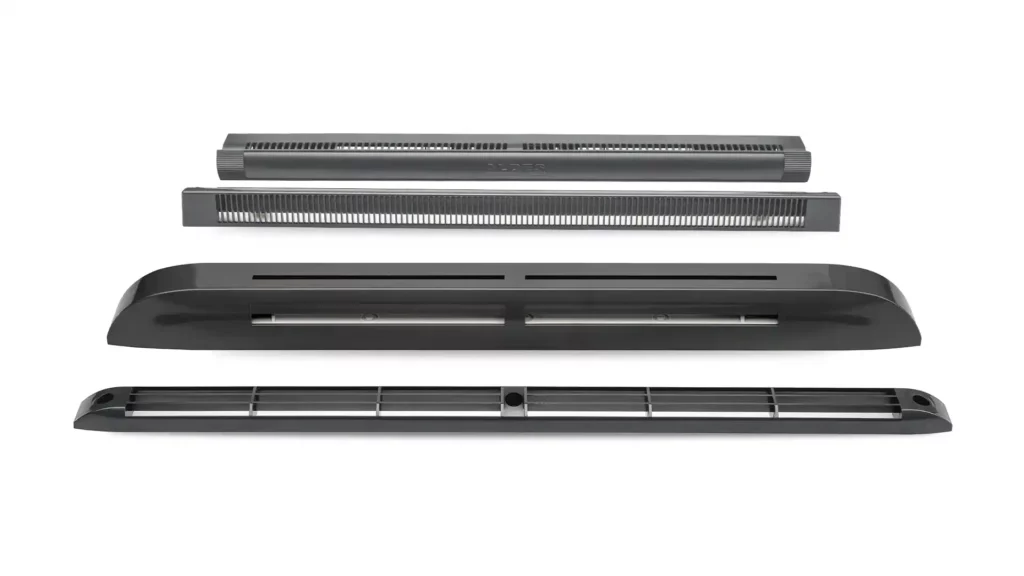
How to remove, clean & seal trickle vents? If you live in Ireland—especially in older homes around Dublin—you’ve likely dealt with cold draughts, condensation, or mould around your windows. Trickle vents are designed to solve these issues, but when they’re dirty, blocked, or misused, they can actually make things worse.
The good news? With a bit of simple maintenance, you can restore proper airflow, reduce heating costs, and make your home far more comfortable—without replacing your windows.
This guide walks you through exactly how to remove, clean, and seal trickle vents, step by step.
Why Trickle Vent Maintenance Matters
Trickle vents are small openings in your windows or doors that allow fresh air to circulate—even when everything is closed. In Ireland’s damp climate, they play a crucial role in preventing moisture buildup.
But when they’re neglected, they can become part of the problem instead of the solution.
Common Problems Homeowners Face
Many Dublin homeowners experience:
- Dust and dirt blocking airflow
- Mould buildup caused by trapped moisture
- Cold draughts during winter months
- Noise or whistling from poorly adjusted vents
These issues are especially common in older properties (10–30+ years old) where ventilation wasn’t originally designed for modern insulation standards.
Impact on Your Home
When trickle vents aren’t working properly, the effects can be serious:
- Reduced ventilation → more condensation on windows
- Higher heating costs due to uncontrolled airflow
- Poor indoor air quality (especially in bedrooms)
- Long-term window damage from moisture buildup
If you’re already dealing with condensation issues, it’s worth reading:
👉 Do trickle vents stop condensation?
How to Remove Trickle Vents for Cleaning
Before you can clean your vents, you’ll need to safely remove or open them. Fortunately, most designs are simple and DIY-friendly.
Tools You’ll Need
You don’t need anything fancy:
- Screwdriver (usually Phillips)
- Soft brush or vacuum cleaner
- Cloth + mild household cleaner
Step-by-Step: Removing Trickle Vents
Follow these steps carefully:
- Locate the vent cover
Typically found at the top of your window frame (inside). - Check for screws or clips
- Some vents are screwed in place
- Others simply clip off
- Gently remove the cover
- Unscrew slowly or unclip carefully
- Avoid forcing anything
- Set aside parts safely
Keep screws and covers together to avoid losing them
Special Case: uPVC Windows
Most Irish homes have uPVC windows, which require a bit more care:
- Vents are often integrated into the frame
- Some models are not designed for full removal
- Clips can be fragile if forced
👉 Important:
If the vent doesn’t come off easily, don’t force it—you could damage the frame or invalidate warranties.
⚠️ Safety Tip:
Avoid removing sealed or built-in units in newer windows. If unsure, clean them in place instead.
How to Clean Trickle Vents Properly
Cleaning trickle vents is quick—but doing it right makes a big difference to your home’s comfort and air quality.
Basic Cleaning Method (5–10 Minutes)
- Use a vacuum or soft brush to remove dust
- Wipe surfaces with warm soapy water
- Clean both the vent cover and air slot
- Dry everything thoroughly before reinstalling
That’s it—simple but effective.
Removing Mould & Mildew
If you notice black spots or a musty smell:
- Use a dedicated anti-mould spray
- Leave it to sit for a few minutes
- Wipe clean with a damp cloth
👉 Always ventilate the room while cleaning to avoid inhaling fumes.
How Often Should You Clean Them?
In Ireland’s damp conditions:
- Every 3–6 months is ideal
- More often if you live in:
- High-traffic areas
- Coastal locations
- Homes with condensation issues
💡 Regular cleaning helps:
- Reduce mould growth
- Improve airflow
- Maintain a warmer, healthier home
How to Seal Trickle Vents (When & Why)
One of the most common concerns homeowners have is:
👉 “Are trickle vents making my room cold?”
In some cases, temporarily sealing them can help—but it must be done correctly.
When You Might Want to Seal Them
- You feel strong draughts during winter
- You’re trying to retain heat overnight
- During storms or extreme weather
Methods to Seal Trickle Vents
Here are safe, temporary options:
- Foam inserts (best option – removable)
- Draught excluder tape
- Fully closing adjustable vent sliders
These methods allow you to control airflow without permanent damage.
When NOT to Seal Them
Sealing vents can backfire if your home already has:
- High condensation levels
- Poor ventilation
- Mould issues
In these cases, closing vents can trap moisture and make things worse.
👉 Learn more here:
Should I have trickle vents open in winter?
Troubleshooting Common Trickle Vent Problems
Even after cleaning, you might still run into issues. Here’s how to fix the most common ones.
Vent Letting in Cold Air
Possible causes:
- Vent stuck open
- Poor seal
- Outdated design
Solutions:
- Adjust or partially close vent
- Add temporary insulation (foam)
- Upgrade to a modern vent system
Still Getting Condensation
If moisture persists:
- Keep vents partially open at all times
- Use extractor fans in kitchens and bathrooms
- Improve overall airflow in the home
👉 Closing vents completely often makes condensation worse, not better.
Noisy or Whistling Vents
This is usually caused by:
- Dust or debris inside
- Air pressure imbalance
Fix:
- Clean thoroughly
- Adjust opening size slightly
When to Repair vs Replace Trickle Vents
Sometimes cleaning isn’t enough—and that’s when replacement becomes the smarter option.
Signs You Need Replacement
- Cracked or broken vent covers
- Poor airflow even after cleaning
- Older vents that don’t meet current standards
Cost vs Benefit
Replacing trickle vents is relatively affordable and can:
- Improve energy efficiency
- Reduce draughts
- Enhance indoor comfort
For many Dublin homeowners, it’s a small upgrade with a big return—especially when combined with window improvements.
Professional Help vs DIY (Dublin Homeowners)
While many tasks are DIY-friendly, some situations call for expert help.
When DIY Is Enough
You can handle it yourself if you’re:
- Cleaning vents
- Doing minor sealing
- Removing basic covers
When to Call a Professional
Consider expert help if you’re dealing with:
- Retrofitting vents into older windows
- Persistent draughts or airflow issues
- Mould that keeps returning
👉 Conversion Tip:
If you’re unsure, it’s always worth getting a professional opinion.
Get a free quote from experienced Dublin installers and ensure the job is done right the first time.
FAQs – How to Remove, Clean & Seal Trickle Vents?
Can I remove trickle vents permanently?
You can, but it’s not recommended. Removing them reduces ventilation and can lead to condensation and mould problems.
Will sealing vents stop mould?
No—this often makes mould worse by trapping moisture indoors. Proper airflow is key.
Are trickle vents required by law in Ireland?
Yes, modern building regulations often require adequate background ventilation, which trickle vents provide.
Do trickle vents increase heating bills?
Not significantly when used correctly. In fact, they can reduce costs by preventing damp-related heat loss.
How long do trickle vents last?
Typically 10–20 years, depending on quality and maintenance.
Conclusion: Small Fix, Big Impact
Maintaining your trickle vents might seem like a small task—but it can make a huge difference to your home.
With just a bit of cleaning and proper use, you can:
- Reduce condensation and mould
- Improve indoor comfort
- Lower heating costs
- Extend the life of your windows
The key is balance:
👉 Enough airflow to stay dry, but controlled enough to stay warm
🚪 Ready to Improve Your Home?
If your vents still aren’t performing properly, it might be time for expert help.
- ✅ Honest advice
- ✅ Fast, reliable repairs across Dublin
Upgrade your home’s comfort, efficiency, and peace of mind today.