Skip to content
How to install trickle vents in windows Ireland? If your home feels cold, stuffy, or constantly damp, you’re not alone. Many homeowners in Dublin and across Ireland deal with drafty rooms, condensation on windows, and rising heating bills—especially in older properties. The good news is that you don’t always need a full window replacement to fix these issues.
Trickle vents are one of the simplest and most affordable upgrades you can make. They improve airflow, reduce moisture, and help create a more comfortable living environment without major renovation work.
In this guide, you’ll learn exactly how to install trickle vents, whether they can be fitted to your existing windows, what it costs in Ireland, and when it’s smarter to call in a professional.
What Is a Trickle Vent & Why Install One?
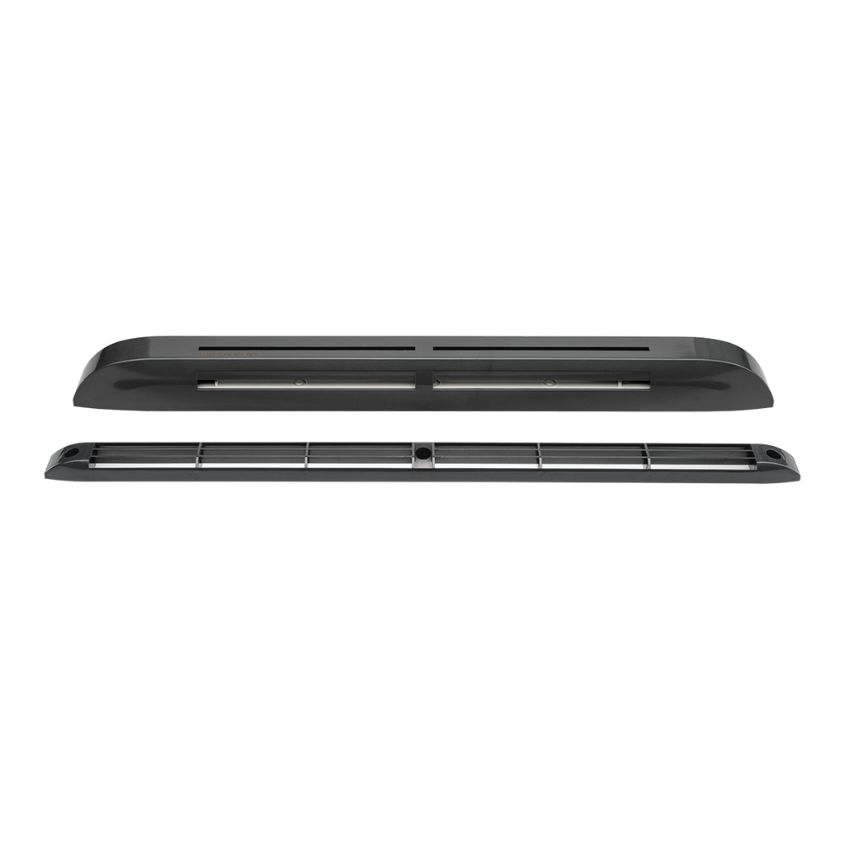
A trickle vent is a small, discreet ventilation opening built into the top of a window or door frame. It allows a controlled amount of fresh air into your home without needing to open your windows fully.
This constant airflow helps regulate indoor air quality and prevents moisture from building up—something that’s especially important in Ireland’s damp climate.
Homeowners typically install trickle vents to solve very real, everyday problems. They help reduce condensation and mould, improve indoor air quality, and ensure compliance with modern building regulations. They can also make your heating system more efficient by preventing stale, damp air from affecting insulation performance.
If your home feels cold and damp no matter how much you heat it, this is often the missing piece.
Can Trickle Vents Be Fitted to Existing Windows?
Yes, trickle vents can usually be fitted to existing windows—but it depends on the type and condition of your frames.
uPVC windows are the easiest to retrofit and are commonly upgraded in Dublin homes. Aluminium windows can also be fitted with trickle vents, although the process is more complex and often requires professional tools. Timber frames vary depending on their thickness and condition.
Retrofitting works best when your windows are still structurally sound but lack proper ventilation. If you’re dealing with persistent condensation or stuffy air, adding vents can be a quick and cost-effective fix.
However, if your windows are very old, poorly insulated, or have broken seals, it may be more cost-effective in the long run to replace them entirely rather than modify them.
Tools & Materials You’ll Need
Before starting, make sure you have the right tools and materials ready.
You’ll need a drill, a hole saw or router, a measuring tape, and a screwdriver. For materials, you’ll need a trickle vent kit, appropriate screws, and sealant to ensure a weatherproof finish.
It’s important to note that incorrect cutting can damage your window—especially if you cut too close to the glass unit. If you’re unsure at any stage, it’s safer to stop and consult a professional.
Step-by-Step: How to Install a Trickle Vent
Start by measuring and marking the correct position. Trickle vents are usually installed at the top of the window frame, above the glazing unit. Make sure everything is aligned properly before you begin cutting.
Next, drill or route a slot according to the manufacturer’s specifications. This step requires precision—avoid applying too much pressure and take care not to damage the glazing.
Once the opening is ready, attach the external vent cover. This should be securely fixed and positioned to prevent rain or drafts from entering.
Then, fit the internal vent cover on the inside of the window. Depending on the design, it may clip into place or require screws.
Finally, seal around the vent and test it. Ensure air flows correctly and that there are no gaps that could cause unwanted drafts.
If you’re not confident doing this yourself, it’s worth getting expert help. A professional installer can complete the job quickly and cleanly without risking damage to your windows.
Check out our guide on how to install trickle vents.
Where Should Trickle Vents Be Positioned?
Correct positioning is essential for both performance and comfort.
The standard placement is at the top of the window frame, just above the glazing unit. This allows fresh air to circulate naturally without creating a direct draft on occupants.
Trickle vents can also be installed in patio doors or at the head of window frames, depending on your home layout.
Proper positioning ensures maximum airflow while keeping your home comfortable and energy-efficient.
Common Mistakes to Avoid
One of the most common mistakes is cutting too close to the glass, which can damage the window unit. Installing the vent in the wrong position can also reduce its effectiveness.
Poor sealing is another issue—it can lead to unwanted drafts and water ingress. Using the wrong size vent for your window can also limit airflow or create imbalance.
Avoiding these mistakes is key to protecting your windows and getting the best performance from your installation.
How Much Does It Cost to Install Trickle Vents in Ireland?
The cost of installing trickle vents in Ireland is relatively affordable, especially compared to full window replacement.
If you’re doing it yourself, expect to pay between €10 and €40 per vent, depending on the quality and size.
Professional installation typically ranges from €80 to €150 per window in Dublin, depending on the complexity and window type.
Hiring a professional is usually worth it if you’re installing multiple vents, working with aluminium frames, or dealing with high-end glazing where mistakes could be costly.
For a full breakdown, see our guide on trickle vent cost in Ireland.
For many homeowners, this upgrade delivers strong value by improving comfort and potentially reducing heating costs.
DIY vs Professional Installation – What’s Best?
DIY installation can save money and is a good option if you’re working with standard uPVC windows and have the right tools.
However, professional installation offers a cleaner finish, eliminates the risk of damage, and is much faster—especially for full-home upgrades.
If you want peace of mind, working with an experienced installer ensures the job is done right the first time.
Do Trickle Vents Affect Heat Loss?
A common concern is whether trickle vents will make your home colder.
In reality, when used correctly, they cause minimal heat loss. In fact, they’re far more efficient than opening windows for ventilation.
By reducing moisture and improving airflow, trickle vents can actually enhance your home’s overall insulation performance. Dry air heats more efficiently than damp air, which means better comfort and potentially lower energy bills.
Proper ventilation can reduce heating costs over time rather than increase them.
FAQs – How to Install Trickle Vents in Windows Ireland
How do you fit a trickle vent?
You measure and cut a slot in the top of the window frame, then attach internal and external vent covers and seal the area.
Can trickle vents be added to existing windows?
Yes, especially with uPVC windows. Aluminium and timber may require more expertise.
Are trickle vents required in Ireland?
In many cases, yes—especially in newer builds or after window replacements to meet ventilation regulations.
Do trickle vents make your house cold?
No, not when used properly. They provide controlled airflow without significant heat loss.
How long does installation take?
A single vent can take 20–40 minutes for a professional. Full-home installs can be completed in a few hours.
Conclusion
Trickle vents are a simple, cost-effective upgrade that can make a noticeable difference to your home’s comfort, air quality, and energy efficiency. For many Dublin homeowners, they’re the perfect first step before considering full window replacement.
If you’re dealing with condensation, drafts, or poor ventilation, installing trickle vents can provide an immediate improvement without a major investment.
If you’d prefer expert help, you can get a free quote for trickle vent installation in Dublin and have the job completed quickly and professionally. With experienced installers and guaranteed workmanship, it’s an easy way to upgrade your home with confidence.