Skip to content
Should you keep trickle vents open in winter? If you’ve ever stood near your window in winter and felt a slight chill, you’ve probably wondered: should trickle vents really be open when it’s cold outside?
For many homeowners across Dublin and Ireland, this is a constant balancing act. On one hand, you’re trying to reduce rising heating bills. On the other, you’re dealing with condensation on windows, damp patches, or even early signs of mould.
The truth is, closing off airflow completely can actually make these problems worse.
In this guide, you’ll learn exactly when to keep trickle vents open, when to adjust them, and how to use them properly during Irish winters—so you can maintain a warm, comfortable, and energy-efficient home.
What Are Trickle Vents Designed to Do?
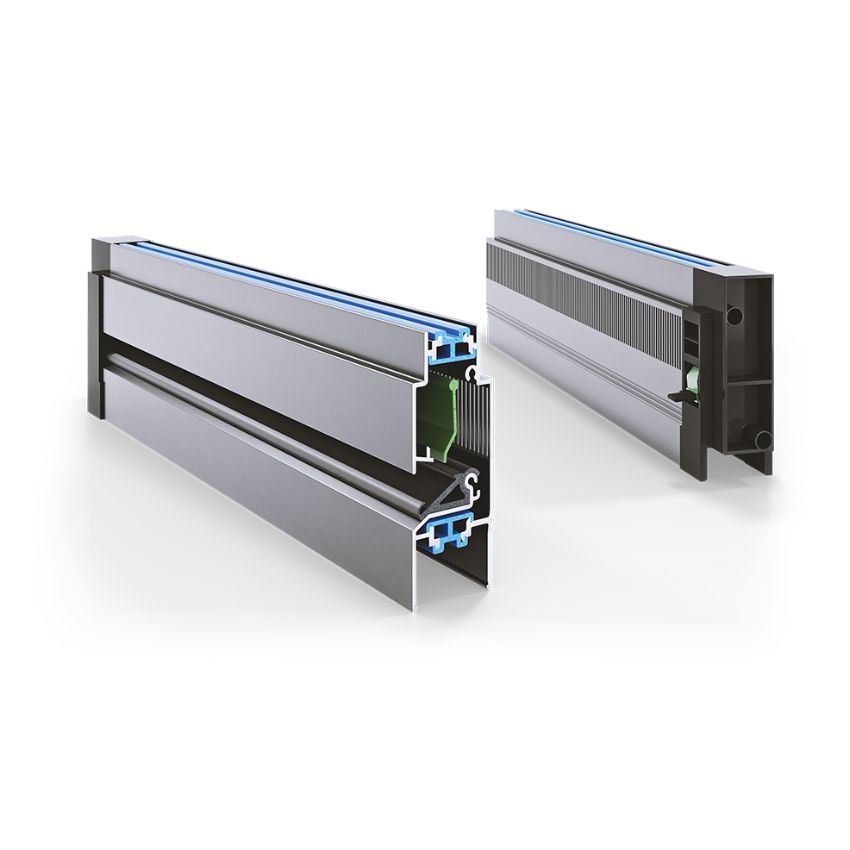
Trickle vents are small openings fitted into window frames or doors that allow a controlled amount of fresh air into your home—even when windows are closed.
They’re designed to provide passive ventilation, meaning air flows naturally without needing to open windows or use mechanical systems.
👉 (For a full breakdown, see our Complete Guide to Trickle Vents)
Modern homes—especially those upgraded with double or triple glazing—are much more airtight. While that’s great for insulation, it also means moisture and stale air can get trapped inside.
Why Airtight Homes Create Problems
When airflow is reduced, everyday activities like cooking, showering, and even breathing release moisture that has nowhere to go.
This leads to:
- Condensation on windows
- Mould growth on walls and frames
- Stale, unhealthy indoor air
Without proper ventilation, your home can quickly become uncomfortable—and costly to maintain.
Should Trickle Vents Be Open in Winter?
The Short Answer
Yes—but controlled use is key.
Why Closing Them Completely Is a Mistake
It might seem logical to shut vents to keep heat in, but this often backfires.
When vents are fully closed:
- Moisture gets trapped indoors
- Condensation builds up on windows
- Mould risk increases significantly
- Window seals and surrounding materials can deteriorate
Over time, this can lead to expensive repairs and a less healthy living environment.
When You Might Close Them Temporarily
There are a few situations where closing trickle vents makes sense:
- During extreme weather (heavy winds or storms)
- In unused rooms to reduce unnecessary airflow
Even then, it’s best to reopen them once conditions improve.
Do Trickle Vents Make Your Home Cold?
The Truth About Heat Loss
A common concern is that trickle vents let cold air in—but in reality, the heat loss is minimal compared to opening a window.
They are specifically designed to allow small, controlled airflow, not large drafts.
Why Ventilation Can Actually Save You Money
Here’s what many homeowners don’t realise:
A damp home is harder and more expensive to heat.
By allowing airflow:
- Moisture levels drop
- Rooms feel warmer and more comfortable
- Your heating system works more efficiently
👉 For Irish homeowners facing high energy costs, this balance between ventilation and insulation is key to reducing bills long-term.
How to Use Trickle Vents Properly (Step-by-Step)
How to Open Trickle Vents
Most trickle vents use a simple slider or clip mechanism:
- Slide open fully for maximum airflow
- Adjust to partially open for controlled ventilation
How to Close Trickle Vents
To close them:
- Slide or clip the vent shut
- Use this only when necessary (e.g., strong winds)
Best Settings for Winter
For most homes, the ideal setup is:
- Slightly open vents throughout the day
Adjust depending on:
- Room usage (bedrooms vs kitchens)
- Humidity levels (more moisture = more airflow needed)
Signs You’re Using Trickle Vents Wrong
Here’s a quick self-check:
- Condensation still forming on windows
- Musty or damp smells
- Rooms feel stuffy or stale
- Noticeable cold drafts
If you’re seeing any of these, your ventilation settings likely need adjusting.
Trickle Vents vs Opening Windows in Winter
Let’s compare the two:
Heat Loss:
- Windows: High
- Trickle vents: Low
Airflow Control:
- Windows: Difficult to regulate
- Trickle vents: Controlled and consistent
Security:
- Windows: Reduced when open
- Trickle vents: Fully secure
👉 For everyday use in winter, trickle vents are the more practical and energy-efficient option.
Expert Tips for Irish Homes
Ireland’s climate is known for being cold, damp, and humid in winter, which makes proper ventilation essential.
To get the best results:
- Use trickle vents alongside extractor fans in kitchens and bathrooms
- Ensure your home has proper insulation
- Keep vents clean and unobstructed
- Combine with double or triple glazing for optimal efficiency
When Trickle Vents Aren’t Enough
In some cases, trickle vents alone won’t solve the problem.
You may need additional solutions if you have:
- Severe or persistent condensation
- Poor insulation
- Older or damaged windows
👉 In these situations, upgrading your windows or improving ventilation systems can make a significant difference.
FAQs – Should You Keep Trickle Vents Open in Winter?
Should trickle vents be open all the time?
Generally, yes—especially in winter. Keeping them slightly open maintains airflow and prevents moisture buildup.
Do trickle vents reduce condensation in winter?
Yes. They help remove excess moisture, which reduces condensation and mould risk.
Are trickle vents required by law in Ireland?
In many cases, yes—particularly in newer builds or replacement windows, where ventilation regulations apply.
Can trickle vents cause draughts?
Not if used correctly. If you feel strong drafts, the vent may be fully open or improperly fitted.
Get Expert Advice for Your Home
If your home still feels cold, damp, or uncomfortable—even with trickle vents in use—it may be time to take the next step.
We help Dublin homeowners:
- Reduce heating bills
- Upgrade to energy-efficient windows
- Eliminate condensation and draught issues
👉 Get a free quote today
With over 15+ years of experience, we provide:
- Trusted local installation
- High-quality materials
- Guaranteed workmanship