Skip to content
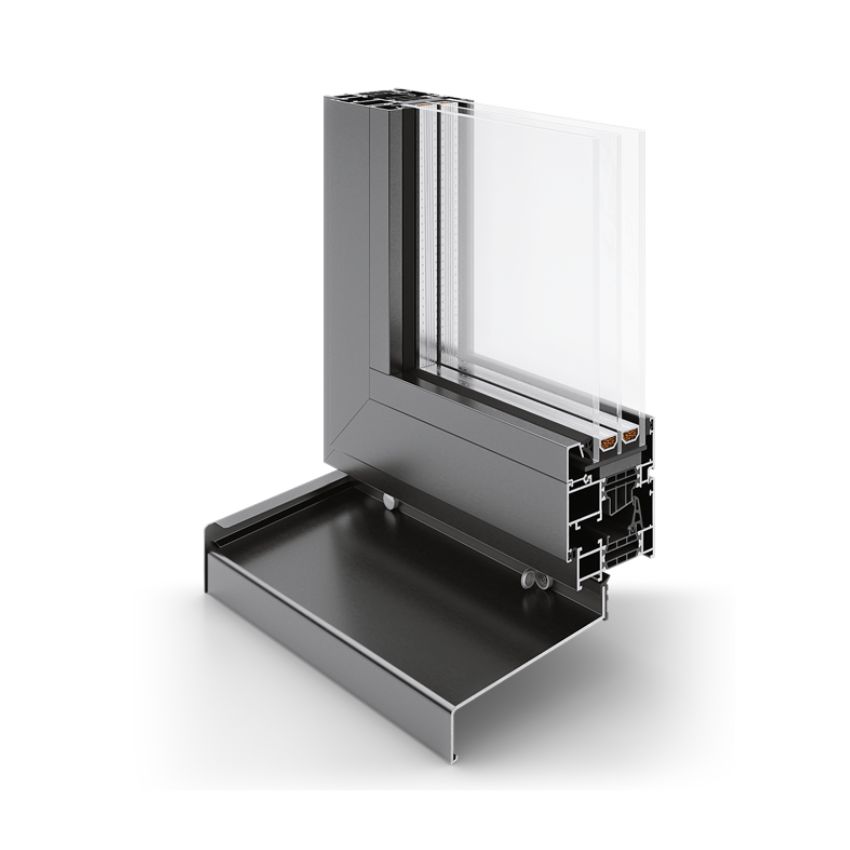
How to replace a window sill? Replacing a window sill might seem like a small home improvement task, but it plays a crucial role in maintaining your home’s comfort, energy efficiency, and overall appearance. Over time, window sills can deteriorate due to exposure to moisture, weather, and general wear and tear.
Many homeowners experience common issues such as rotting wood, cracks, drafts, or even mould buildup around their windows. These problems not only affect aesthetics but can also lead to higher heating bills and reduced insulation—especially in older homes.
This guide is designed for both DIY enthusiasts looking to tackle the job themselves and homeowners who are considering hiring a professional. Whether you’re dealing with minor interior damage or planning a full exterior replacement, this step-by-step guide will walk you through the process.
What Is a Window Sill & Why Replacement Matters
Role of a Window Sill in Your Home
A window sill is more than just a decorative ledge—it serves several important functions:
- Structural support: It helps anchor the window frame and adds stability.
- Water drainage: Exterior sills are angled to direct rainwater away from your home, preventing water ingress.
- Insulation and energy efficiency: A properly fitted sill helps seal gaps, reducing drafts and improving thermal performance.
When a window sill fails, it can compromise all three of these functions.
Signs Your Window Sill Needs Replacing
Knowing when to replace your window sill can save you from more costly repairs later. Look out for:
- Rotting wood or cracks: Especially common in older timber sills
- Water damage or mould: Indicates moisture penetration
- Drafts and poor insulation: You may feel cold air near the window
- Peeling paint or warping: A sign of prolonged exposure to moisture
For a complete breakdown, see our guide on Window Sills: Types, Installation & Replacement Guide.
Tools & Materials You’ll Need
Essential Tools
Before starting, gather the following tools:
- Pry bar
- Hammer
- Saw (hand saw or circular saw)
- Chisel
- Measuring tape
- Spirit level
Having the right tools ensures a smoother and safer installation process.
Materials
You’ll also need:
- Replacement sill (uPVC, timber, or concrete)
- Adhesive or mortar (depending on material)
- Screws or nails
- Sealant or caulk
- Paint or wood finish (for timber sills)
How to Replace a Window Sill (Step-by-Step)
Step 1: Remove the Old Window Sill
Start by loosening any old sealant, paint, or caulking around the sill using a utility knife or chisel. Carefully insert a pry bar underneath and gently lift the sill.
Take your time with this step to avoid damaging the window frame or surrounding plaster.
Step 2: Clean & Prepare the Area
Once the old sill is removed:
- Clear away debris, dust, and leftover adhesive
- Inspect for hidden damage such as rot or cracks in the frame
- Ensure the base is clean, dry, and level
Proper preparation is key to a long-lasting installation.
Step 3: Measure & Cut the New Sill
Accurate measurements are essential:
- Measure the width and depth of the opening
- Allow for a slight overhang (especially for exterior sills)
- Cut the new sill to fit snugly using a saw
Double-check measurements before cutting to avoid costly mistakes.
Step 4: Install the New Window Sill
Apply adhesive (or mortar for concrete sills) evenly across the base. Carefully position the new sill in place.
If you are working with masonry, follow the dedicated concrete window sill fitting guide for preparation, levelling, drainage and sealing details.
- Use a spirit level to ensure it’s perfectly horizontal
- Adjust as needed before securing
- Fix in place using screws or appropriate fasteners
Step 5: Seal & Finish
To complete the installation:
- Apply exterior-grade sealant along the edges
- Paint or finish the sill if it’s made of timber
- Ensure all gaps are sealed to prevent water and air leaks
A proper seal is essential for durability and energy efficiency.
Replacing a Window Sill Without Removing the Window
When This Method Works
In some cases, you can replace a window sill without removing the window itself. This method is suitable for:
- Minor damage
- Interior sill replacements
- Situations where the frame is still in good condition
Special Considerations
Keep in mind:
- You’ll have limited working space, making precision more important
- Extra care is needed to avoid damaging the window frame or glass
- Cutting and fitting may be more challenging
Best Materials for Replacement Window Sills
uPVC Window Sills
- Low maintenance and easy to clean
- Cost-effective option
- Highly resistant to weather and moisture
Timber Window Sills
- Classic, traditional appearance
- Ideal for period or heritage homes
- Requires regular maintenance (painting/sealing)
Concrete Window Sills
- Extremely durable and long-lasting
- Perfect for exterior applications
- Excellent resistance to harsh weather conditions
Common Mistakes to Avoid
Avoid these common pitfalls to ensure a successful installation:
- Incorrect measurements leading to poor fit
- Poor sealing, which can cause leaks and drafts
- Not leveling the sill properly, affecting drainage
- Using the wrong material for exterior or interior use
DIY vs Hiring a Professional in Dublin
When DIY Makes Sense
- Minor interior replacements
- You have basic tools and DIY experience
- The damage is limited and non-structural
When to Hire an Expert
- Structural damage or rot in surrounding areas
- Exterior concrete sill replacements
- You want a flawless, long-lasting finish
Benefits of Professional Installation
- Faster turnaround and less disruption
- Guaranteed workmanship and quality
- Proper sealing, insulation, and alignment
For many homeowners, especially in older Dublin properties, professional installation offers peace of mind and better long-term results.
Cost of Replacing a Window Sill in Ireland
The cost of replacing a window sill can vary depending on several factors.
Average price ranges:
- Interior sill replacement: €80–€250
- Exterior sill replacement: €150–€500+
Factors affecting cost:
- Material type (uPVC, timber, concrete)
- Labour and installation complexity
- Accessibility of the window
Long-term ROI:
Investing in a new window sill can help reduce heat loss, lower energy bills, and increase your home’s value—making it a smart upgrade.
Maintenance Tips for Long-Lasting Window Sills
To extend the lifespan of your window sill:
- Clean regularly to remove dirt and debris
- Reseal joints when signs of wear appear
- Inspect for cracks, rot, or water damage
- Ensure proper drainage to prevent water buildup
Routine maintenance can prevent costly repairs down the line.
FAQs – How to Replace a Window Sill
Can you replace a window sill without replacing the window?
Yes, in many cases you can replace just the sill, especially if the window frame is still in good condition.
How long does it take to replace a window sill?
A standard replacement typically takes 1–3 hours for interior sills and longer for exterior or concrete installations.
What is the best material for window sills in Ireland?
uPVC and concrete are popular due to their durability and resistance to Ireland’s wet climate, while timber suits traditional homes.
Do new windows come with new sills?
Often yes, but not always. It depends on the installer and the scope of the project.
How much does window sill replacement cost?
Costs vary, but most homeowners in Ireland can expect to pay between €80 and €500+, depending on the project.
Conclusion
Replacing a window sill is a practical home improvement that enhances your property’s comfort, energy efficiency, and appearance. Whether you’re dealing with drafts, visible damage, or simply upgrading your home, a properly installed sill makes a noticeable difference.
By following the steps in this guide, you can confidently approach a DIY replacement or make an informed decision when hiring a professional. If you want guaranteed results, expert advice, and a hassle-free experience, consider reaching out for a free quote from a trusted local installer.