Skip to content
Are integrated blinds any good? Integrated blinds are becoming an increasingly popular choice for homeowners across Dublin and Ireland—especially for those upgrading older homes or improving energy efficiency. But are they actually worth it?
In this complete guide, we’ll break down everything you need to know: how they work, their benefits, potential drawbacks, costs, and whether they’re the right fit for your home.
What Are Integrated Blinds?
For a broader comparison beyond between-glass blinds, see our window coverings overview covering privacy, glare control and decorative choices.
Definition & How They Work
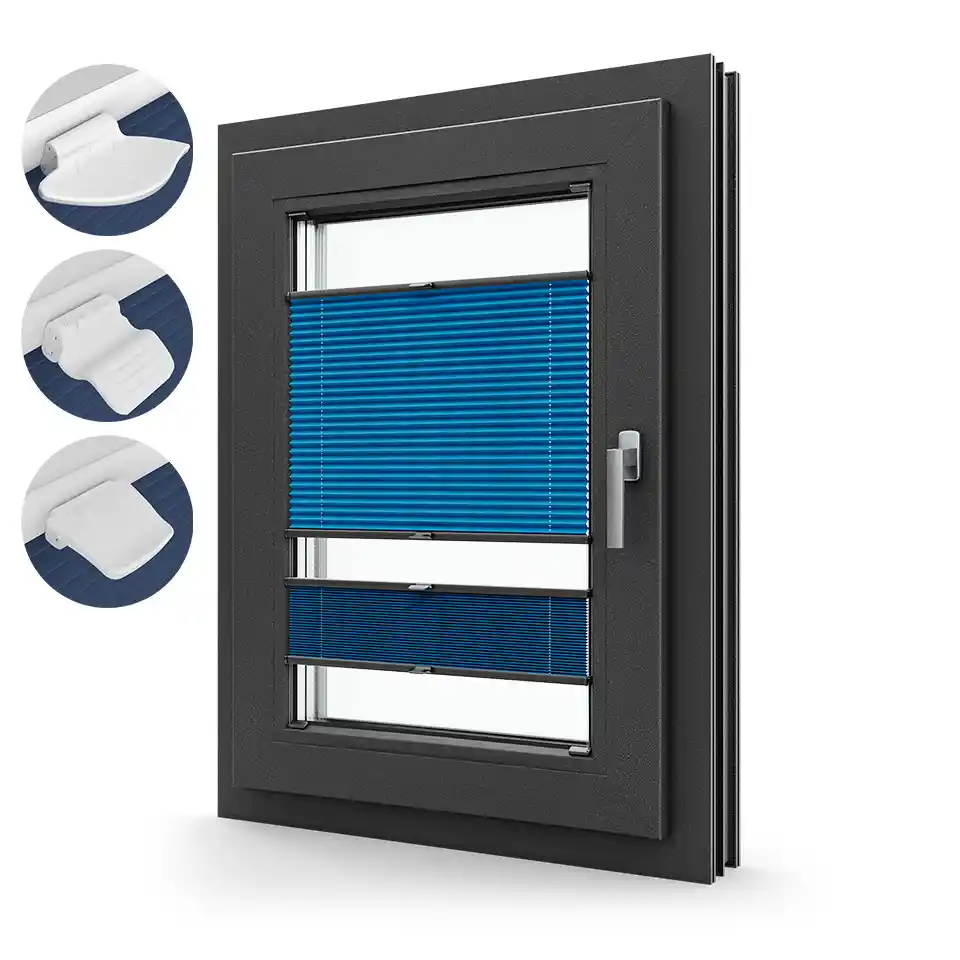
Integrated blinds are window blinds that are permanently sealed between the panes of double or triple-glazed glass. Unlike traditional blinds that hang externally, these are enclosed within the glazing unit itself.
They are typically operated in two ways:
- Manually using a magnetic slider or control
- Electronically via remote control or smart systems
Because they are sealed inside the glass, they are protected from dust, damage, and wear—making them a long-lasting solution for modern homes.
You’ll commonly find integrated blinds installed in:
👉 For a full comparison of window covering options, check out our Blinds vs Shutters: Complete Buyer’s Guide.
Types of Integrated Blinds
There are a few main styles to choose from, depending on your needs and design preferences:
- Venetian blinds – The most popular option, offering adjustable slats for light control
- Pleated blinds – Softer appearance with a more fabric-like finish
- Blackout blinds – Designed to block out most light, ideal for bedrooms
Each type balances privacy, light control, and aesthetics differently.
Why Integrated Blinds Are Popular in Dublin Homes
Growing Demand for Energy Efficiency
With rising energy costs in Ireland, homeowners are increasingly focused on improving insulation and reducing heat loss. Integrated blinds support this by:
- Adding an extra barrier within glazing
- Reducing drafts near windows and doors
- Helping maintain consistent indoor temperatures
They are especially beneficial in older Dublin homes (10–30+ years old) where insulation may be lacking.
Modern Aesthetic Appeal
Integrated blinds offer a sleek, minimalist look that appeals to modern homeowners.
Key aesthetic benefits:
- No hanging cords or bulky fixtures
- Clean, uncluttered window appearance
- Perfect for contemporary renovations and extensions
For homeowners upgrading their interiors, they instantly create a more polished, high-end finish.
Key Benefits of Integrated Blinds
Low Maintenance & Easy Cleaning
One of the biggest advantages is how little maintenance they require.
Because the blinds are sealed inside the glass:
- They don’t collect dust or dirt
- No need for regular cleaning
- Ideal for busy households or rental properties
This makes them far more convenient than traditional blinds or curtains.
Improved Energy Efficiency
Integrated blinds contribute to better insulation by:
- Reducing heat transfer through glass
- Minimizing cold spots near windows
- Supporting double or triple glazing performance
Over time, this can help lower heating bills—an important factor for Irish homeowners facing rising energy costs.
Enhanced Privacy & Light Control
With smooth tilt functionality, you can easily control:
- How much light enters the room
- The level of privacy from outside
They’re particularly useful for:
- Street-facing homes
- Ground-floor rooms
- Bathrooms and bedrooms
Increased Durability
Because they are enclosed within the glazing unit:
- They are protected from accidental damage
- No bending, tearing, or snapping cords
- Longer lifespan than traditional blinds
This makes them a smart long-term investment.
Child Safety
Integrated blinds are completely cordless, which:
- Eliminates strangulation risks
- Makes them safer for homes with children or pets
Safety is a major selling point for families upgrading their homes.
Are There Any Downsides?
Higher Upfront Cost
Integrated blinds are more expensive than standard blinds due to:
- Specialized glazing units
- Installation requirements
However, many homeowners see this as a long-term investment due to:
- Lower maintenance
- Energy savings
- Increased property value
Limited Repair Options
Since the blinds are sealed inside the glass:
- Repairs are difficult or impossible
- A faulty unit usually requires full glass replacement
This makes choosing a high-quality installer and product essential.
Style Limitations
Compared to traditional blinds, options are more limited:
- Fewer colours and finishes
- Less flexibility in design
However, most modern homeowners prefer the neutral, minimalist look they offer.
Can Integrated Blinds Be Retrofitted?
Retrofitting Explained
Retrofitting integrated blinds into existing windows is not always straightforward.
In most cases:
- The entire glazing unit needs to be replaced
- Existing frames may or may not be compatible
Best Scenarios for Retrofitting
Integrated blinds are easiest to install during:
- Window or door replacements
- Full home renovations
- Extensions or upgrades
If your current windows are outdated, upgrading to integrated blinds can be part of a broader energy-efficiency improvement.
Cost of Integrated Blinds in Ireland
Average Price Range
Costs vary depending on several factors, but here’s a general guide:
- Per window: €300 – €700+
- Doors (patio/sliding): €800 – €2,000+
Factors Affecting Cost
- Size of the window or door
- Double vs triple glazing
- Manual vs electric operation
- Frame material (uPVC, aluminium, etc.)
Are They Worth the Investment?
For many homeowners, the answer is yes—especially when considering:
- Reduced energy bills
- Increased home value
- Long lifespan with minimal maintenance
They’re particularly valuable for those planning to stay in their home long-term.
Integrated Blinds vs Traditional Blinds
Traditional window shades can be easier to change later, while integrated blinds keep the treatment protected between the panes.
Key Differences
| Feature | Integrated Blinds | Traditional Blinds |
|---|---|---|
| Maintenance | Very low | Cleaning required |
| Lifespan | Long-lasting | Can wear out quickly |
| Aesthetic | Sleek & modern | More design variety |
| Safety | Cordless | Potential hazards |
| Cost | Higher upfront | Lower upfront |
Which Option Is Best for You?
Choose integrated blinds if you:
- Want a modern, clean look
- Value convenience and low maintenance
- Are upgrading windows or doors
Choose traditional blinds if you:
- Have a tight budget
- Prefer more design flexibility
- Need a temporary solution
Who Should Choose Integrated Blinds?
Ideal Homeowner Profile
Integrated blinds are perfect for:
- Homeowners in Dublin with older properties
- People experiencing drafts or poor insulation
- Those investing in long-term upgrades
- Anyone seeking a modern, energy-efficient home
Not Ideal For
They may not be suitable if you:
- Are on a tight budget
- Need a quick or temporary fix
- Don’t plan to upgrade your windows
Buying Tips Before You Install
Questions to Ask Installers
Before committing, ask:
- What warranty is included?
- What energy rating do the units have?
- How long will installation take?
- What happens if the unit fails?
Features to Look For
To ensure quality, look for:
- Argon-filled glazing for better insulation
- Smooth, reliable control systems
- Strong seals to prevent condensation
- Durable frame materials
Choosing an experienced installer is just as important as choosing the product itself.
FAQs – Are Integrated Blinds Any Good?
Do integrated blinds reduce heat loss?
Yes. They improve insulation by adding an extra layer within the glazing, helping retain indoor heat.
Are they suitable for patio doors?
Absolutely. Integrated blinds are commonly used in patio, sliding, and bi-fold doors for both practicality and aesthetics.
How long do they last?
High-quality integrated blinds can last 10–20 years or more, depending on usage and build quality.
Can they block out light completely?
Blackout versions can significantly reduce light, though some minimal light leakage may still occur.
Are they worth it in Ireland’s climate?
Yes. With Ireland’s cooler temperatures and rising energy costs, they offer excellent value in improving comfort and efficiency.
Final Verdict: Are Integrated Blinds Worth It?
Integrated blinds are a smart, modern solution for homeowners looking to improve comfort, efficiency, and style.
Pros:
- Low maintenance
- Energy-efficient
- Sleek, modern design
- Safe and durable
Cons:
- Higher upfront cost
- Limited repair options
- Fewer design choices
Best Use Cases:
- Renovations and home upgrades
- Replacing old windows or doors
- Long-term homeowners focused on value
Final Thought
If you’re upgrading your home in Dublin and want a clean look, better insulation, and long-term savings, integrated blinds are absolutely worth considering.
👉 The key is choosing quality materials and experienced installers—that’s what ensures you get the full value from your investment.