Skip to content
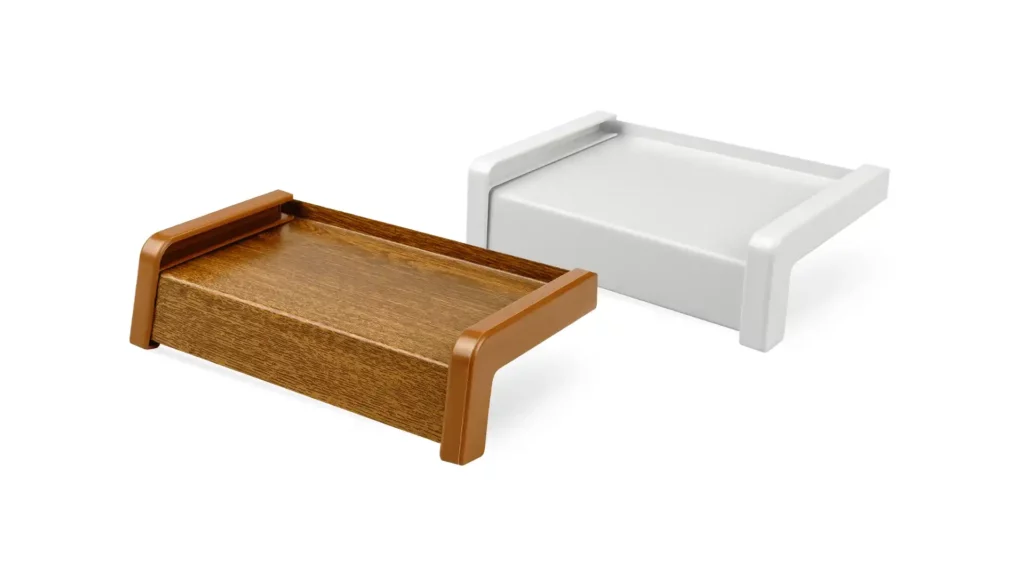
Proper window sill maintenance is one of the most overlooked aspects of home care—yet it plays a critical role in protecting your property from moisture damage, improving insulation, and maintaining your home’s appearance.
For homeowners in Dublin and across Ireland—especially those living in older properties—regular upkeep of window sills can prevent costly repairs and significantly improve comfort. To learn more, read our Window Sills: Types, Installation & Replacement Guide.
Why Window Sill Maintenance Matters
Window sills are constantly exposed to Ireland’s wet and unpredictable climate. Without proper care, they can quickly deteriorate.
Here’s why maintenance is essential:
- Protects against water damage and rot
Sealing and cleaning prevent moisture from penetrating materials like wood and concrete. - Extends the lifespan of window sills
Regular upkeep can add years—if not decades—to your sills. - Improves insulation and energy efficiency
Well-maintained sills help reduce drafts and heat loss. - Enhances the appearance of your home
Clean, well-kept sills improve curb appeal instantly. - Prevents costly repairs or replacements
Small issues fixed early can save thousands later.
Common Problems with Window Sills
Understanding common issues helps you spot problems early and take action.
Moisture & Water Damage
Causes:
- Constant rain exposure
- Poor sealing or worn-out finishes
Signs to watch for:
- Damp patches
- Mould growth
- Peeling paint or bubbling surfaces
Cracks & Structural Damage
Most common in concrete or stone sills, these issues are typically caused by:
- Temperature fluctuations
- Freeze-thaw cycles (common in Irish winters)
- Natural aging
Small cracks may seem harmless but can allow water infiltration over time.
Dirt & Staining
Exterior sills are magnets for:
- Pollution
- Algae and moss
- Dust and debris
This not only looks unsightly but can also trap moisture and accelerate damage.
Rotting Wood
Older timber window sills are particularly vulnerable.
Warning signs include:
- Soft or spongy wood
- Dark discoloration
- Flaking or crumbling surfaces
If left untreated, rot can spread and compromise the structure.
How to Seal Concrete Window Sills
Sealing is one of the most effective ways to protect your window sills from Ireland’s damp climate.
When Should You Seal a Window Sill?
- Immediately after installation
- When you notice water absorption or dark patches
- If cracks or surface wear begin to appear
Tools & Materials Needed
- High-quality concrete sealant
- Brush or roller
- Cleaning supplies (brush, detergent, water)
- Crack filler (if needed)
Step-by-Step Sealing Process
- Clean the surface thoroughly
Remove dirt, algae, and loose debris. - Repair any cracks
Use a suitable filler and allow it to dry completely. - Apply sealant evenly
Use a brush or roller for consistent coverage. - Allow proper drying time
Follow manufacturer instructions—typically 24–48 hours.
Pro Tips for Irish Weather
- Choose weather-resistant, waterproof sealants
- Avoid sealing during rainy or humid conditions
- Plan sealing before autumn/winter to prevent water damage
How to Clean Outside Window Sills
Regular cleaning is simple but highly effective in preventing long-term damage.
Best Cleaning Methods by Material
- uPVC: Warm soapy water and a soft cloth
- Concrete: Mild detergent with a stiff brush
- Wood: Gentle cleaner to avoid stripping protective coatings
Step-by-Step Cleaning Guide
- Remove loose debris (leaves, dust, dirt)
- Apply a suitable cleaning solution
- Scrub gently to avoid damage
- Rinse with clean water
- Dry with a cloth or allow to air dry
How Often Should You Clean?
- Every 2–3 months in urban areas like Dublin
- More frequently if exposed to heavy traffic pollution or coastal conditions
How to Trim a Window Sill
Trimming may be required during upgrades or renovations.
When Trimming is Necessary
- Installing new windows
- Adjusting for new finishes or insulation
- Repairing damaged edges
Tools Required
- Hand saw or electric saw
- Measuring tape
- Pencil or marker
- Sandpaper
Step-by-Step Trimming Process
- Measure accurately to avoid costly mistakes
- Mark the cutting line clearly
- Cut carefully and steadily
- Smooth edges with sandpaper for a clean finish
Safety Tips
- Always wear gloves and eye protection
- Double-check measurements before cutting
- Avoid cutting too much—small adjustments are safer
Preventative Maintenance Tips
A proactive approach will save time, money, and stress.
- Inspect sills regularly—especially after winter
- Keep drainage paths clear to prevent water pooling
- Repaint or reseal surfaces when needed
- Address minor cracks or damage immediately
When to Repair vs Replace a Window Sill
Not every issue requires a full replacement—but knowing the difference is key. For related repairs, see How to Replace a Window Sill – Step-by-Step Guide.
Repair is Best When
- Damage is minor (small cracks or surface wear)
- Issues are cosmetic rather than structural
- Early signs of deterioration are present
Replacement is Needed When
- Severe rot or structural weakness
- Persistent leaks despite repairs
- Outdated materials affecting insulation or efficiency
Cost of Window Sill Maintenance in Ireland
Costs can vary depending on the condition and material, but here’s a general guide:
- Cleaning: Low-cost DIY or minimal service fee
- Sealing: Affordable and highly cost-effective
- Repairs: Moderate, depending on severity
- Replacement: Higher upfront cost but strong long-term value
💡 Tip: Investing in maintenance is significantly cheaper than full replacement.
FAQs About Window Sill Care
How long do window sills last?
Most window sills last 10–30+ years, depending on material and how well they’re maintained.
Can I seal a window sill myself?
Yes. Most homeowners can complete sealing as a DIY project with basic tools and materials.
What is the best cleaner for outdoor window sills?
A mild detergent or specialized exterior cleaner works best for most materials.
How do I know if my sill needs replacing?
Look for:
- Visible rot
- Deep cracks
- Ongoing water damage
If problems persist after repairs, replacement is likely needed.
Conclusion
Window sill maintenance is a simple yet powerful way to protect your home—especially in Ireland’s damp climate.
By regularly cleaning, sealing, and inspecting your window sills, you can:
- Prevent costly repairs
- Improve energy efficiency
- Enhance your home’s appearance
- Extend the lifespan of your windows
For Dublin homeowners, particularly those with older properties, proactive maintenance isn’t just recommended—it’s essential.