Skip to content
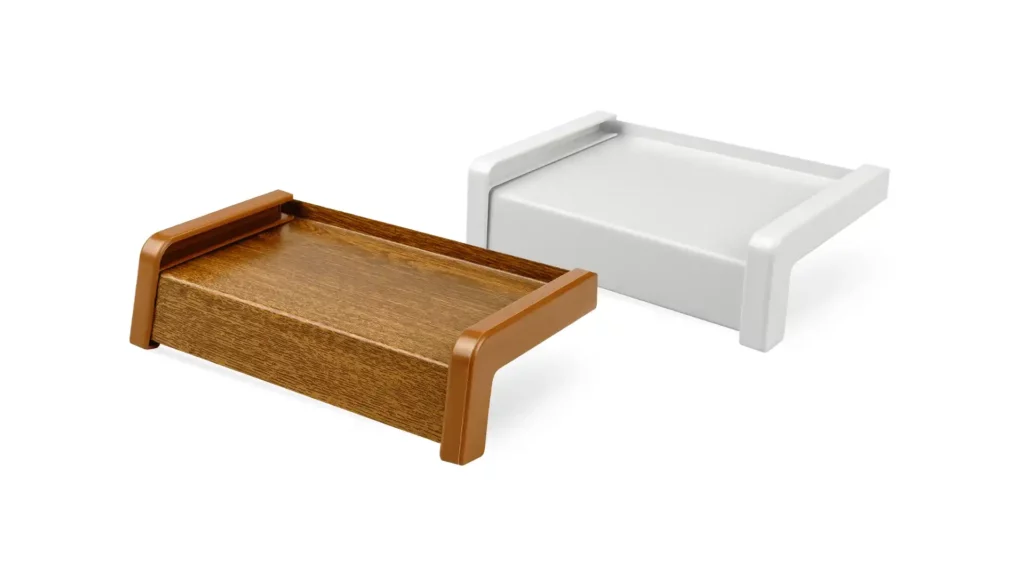
What is a window sill? A window sill is the horizontal surface located at the bottom of a window frame. It can be found both inside and outside your home and serves both practical and decorative purposes. While it may seem like a small architectural feature, it plays a critical role in protecting your property and improving comfort.
There are two main types of window sills:
- Internal window sill: The flat surface inside your home, often used for decoration or storage.
- External window sill: The outer ledge designed to protect your home from rain and weather.
You may also hear window sills referred to as a window ledge or window cill (commonly used in Ireland and the UK). Regardless of the name, the function remains the same—support, protection, and style.
What Is the Purpose of a Window Sill?
Window sills are far more than just a finishing touch. They serve several essential functions that directly impact your home’s durability, energy efficiency, and appearance. For a deeper look, see our Window Sills: Types, Installation & Replacement Guide.
1. Structural Support
A window sill helps support the window frame, acting as a stable base that distributes weight evenly. This ensures that the window remains properly aligned and secure over time. Without a solid sill, the structural integrity of the window installation could be compromised.
2. Water Protection & Drainage
One of the most important roles of an external window sill is to direct water away from your home.
External sills are typically designed with a slight slope. This angled surface ensures that rainwater flows away from the window and exterior wall instead of pooling around it. Without this feature, water could seep into your home, leading to dampness, mould, or structural damage.
3. Insulation & Energy Efficiency
In homes across Ireland—especially older properties—window sills contribute to reducing drafts and heat loss.
A well-installed and properly sealed window sill:
- Prevents cold air from entering
- Helps maintain a consistent indoor temperature
- Supports the performance of double or triple glazing
Poor or damaged sills, on the other hand, can lead to noticeable heat loss and higher energy bills.
4. Aesthetic & Functional Use
Internally, window sills add both style and practicality. Many homeowners use them for:
- Displaying plants or décor
- Additional storage space
- Enhancing interior design
Externally, they improve your home’s curb appeal, giving windows a clean and finished look.
Types of Window Sills
Choosing the right window sill depends on whether it’s for internal or external use, as well as your budget and style preferences.
Internal Window Sills
Internal sills are typically chosen for aesthetics and light functionality.
- Wood: A classic choice offering warmth and a traditional look
- MDF (Medium-Density Fibreboard): Affordable and smooth, ideal for painted finishes
- uPVC: Durable, low-maintenance, and resistant to moisture
External Window Sills
External sills must withstand harsh weather conditions, especially in Ireland’s damp climate.
- Concrete: Strong, durable, and widely used
- Stone: Premium option with a timeless appearance
- Aluminium: Modern, sleek, and highly weather-resistant
Best Materials for Irish Homes
Given Ireland’s frequent rain and humidity, choosing the right material is crucial.
- Best for durability: Concrete or aluminium
- Best low-maintenance option: uPVC
- Best for premium aesthetics: Natural stone
Homeowners in Dublin often prioritize weather resistance and insulation, making uPVC and aluminium popular choices.
Do You Get New Window Sills with New Windows?
Not always. Whether you get new window sills with new windows depends on the condition of your existing sills.
When They Are Replaced
- The sill is damaged (cracks, rot, or wear)
- Poor insulation or drafts are present
- Upgrading to modern, energy-efficient windows
When They Are Reused
- The sill is structurally sound
- No visible damage or insulation issues
Signs You Need a New Sill
- Cracks or chips
- Rot (especially in wooden sills)
- Gaps causing drafts
While reusing sills may save money upfront, replacing them often provides better long-term value, especially in older homes.
Signs Your Window Sill Needs Replacement
Ignoring a damaged window sill can lead to bigger issues. Here are common warning signs:
- Water damage or leaks: Indicates poor drainage or sealing
- Draughts near windows: Suggests insulation failure
- Visible wear: Peeling paint, cracks, or warping
- Mould or condensation: Often caused by trapped moisture
If you notice any of these issues, it’s best to address them early before they escalate—see our guide on How to Replace a Window Sill.
Benefits of Upgrading Your Window Sills
Replacing or upgrading your window sills offers several advantages:
Improved Insulation
Modern materials help reduce heat loss, which can significantly lower heating bills—especially important with rising energy costs in Ireland.
Enhanced Home Appearance
New window sills can instantly modernize both the interior and exterior of your home.
Better Moisture Protection
High-quality sills prevent water ingress, protecting your walls and structure.
Increased Property Value
Energy-efficient upgrades are attractive to buyers and can boost resale value.
How to Choose the Right Window Sill
Selecting the right window sill depends on your priorities—budget, style, and function.
Based on Budget
- uPVC: Cost-effective and durable
- Wood: Mid-range with a classic finish
- Stone/Concrete: Premium and long-lasting
Based on Style
- Modern homes: Sleek aluminium or minimalist uPVC
- Traditional homes: Timber or stone
Popular colours in Ireland include white, grey, and black, offering a clean, contemporary look.
Based on Function
- High-moisture areas: uPVC or aluminium
- Noise reduction needs: Pair with high-performance glazing
- Low maintenance: Avoid wood unless properly treated
Window Sills & Energy Efficiency (Important for Dublin Homes)
Window sills play a key role in your home’s overall energy performance.
Reducing Heat Loss
A properly sealed sill eliminates gaps where cold air can enter, helping maintain indoor warmth.
Impact of Poor Sills
Damaged or poorly installed sills can:
- Increase heating costs
- Create uncomfortable drafts
- Reduce the effectiveness of your windows
Supporting Modern Glazing
Even the best double or triple-glazed windows won’t perform well if the sill is compromised. A high-quality sill ensures your entire window system works efficiently.
FAQs About Window Sills
What is the difference between a window sill and a window board?
A window sill typically refers to the external ledge, while a window board is the internal surface. However, the terms are often used interchangeably.
Are window sills necessary?
Yes. They are essential for water drainage, insulation, and structural support.
Can you replace a window sill without replacing the window?
In many cases, yes. Internal and some external sills can be replaced independently, depending on the installation.
How long do window sills last?
- uPVC: 20–30+ years
- Wood: 10–20 years (with maintenance)
- Concrete/stone: 30+ years
When to Call a Professional
While minor maintenance can be DIY, certain situations require expert help:
- Structural damage affecting the window frame
- External sill replacement, especially on upper floors
- Matching new windows with new sills
- Ensuring proper sealing and insulation
Professional installation ensures long-lasting performance and avoids costly mistakes.
Conclusion
Window sills may seem like a small detail, but they play a vital role in your home’s protection, efficiency, and appearance. From supporting your windows to preventing water damage and improving insulation, they are essential for any well-functioning property.
For homeowners in Dublin—especially those in older houses—upgrading your window sills can lead to better comfort, lower energy bills, and a more modern home.
If you’ve noticed drafts, damage, or outdated materials, it may be time to act.
Get a free quote today and upgrade your window sills for a warmer, more efficient home.